-3.png)
Why So Many Scandinavian Players Are Moving to the WSL

Over the past few transfer windows, there’s been a clear rise in Scandinavian players heading to the WSL, particularly from Sweden and Norway.
Both the summer and January windows have seen a mix of established names and exciting young talent from the Nordic leagues choosing England as their next move.
This January window alone has seen several of the league’s brightest emerging talents make the move to the WSL, with highly rated Signe Gaupset and Swedish wonderkid Smilla Holmberg leaving their respective clubs to join North London’s Tottenham Hotspur and Arsenal.
Spurs themselves have welcomed four signings from Scandinavian in January alone – three from the Damallsvenskan league and one from the Toppserien league – after recruiting the influential Cathinka Tandberg back in the summer transfer window.
But why is the WSL such an attractive destination for Scandinavian players?
One of the biggest reasons is the competitiveness of the league. Although the WSL has had the same champion for the past six seasons, the overall quality across all teams remains extremely high.
Unlike some leagues with a drop-off in standards, every WSL side is capable of competing on any given matchday.
The league is also one of the most watched and attended women’s football leagues in the world. Strong global broadcasting deals mean the majority of matches are televised, offering players unmatched visibility.
This exposure not only boosts individual profiles but also increases commercial and international opportunities.
Compared to most other women’s leagues, the WSL benefits from significant financial backing, modern infrastructure, and access to elite facilities.
Clubs regularly play matches at iconic stadiums such as Old Trafford and the Emirates, contributing to rapidly growing attendances and a big-game atmosphere.
European success further strengthens the league’s reputation. WSL clubs consistently reach the latter stages of the Champions League, often making semi-finals and finals.
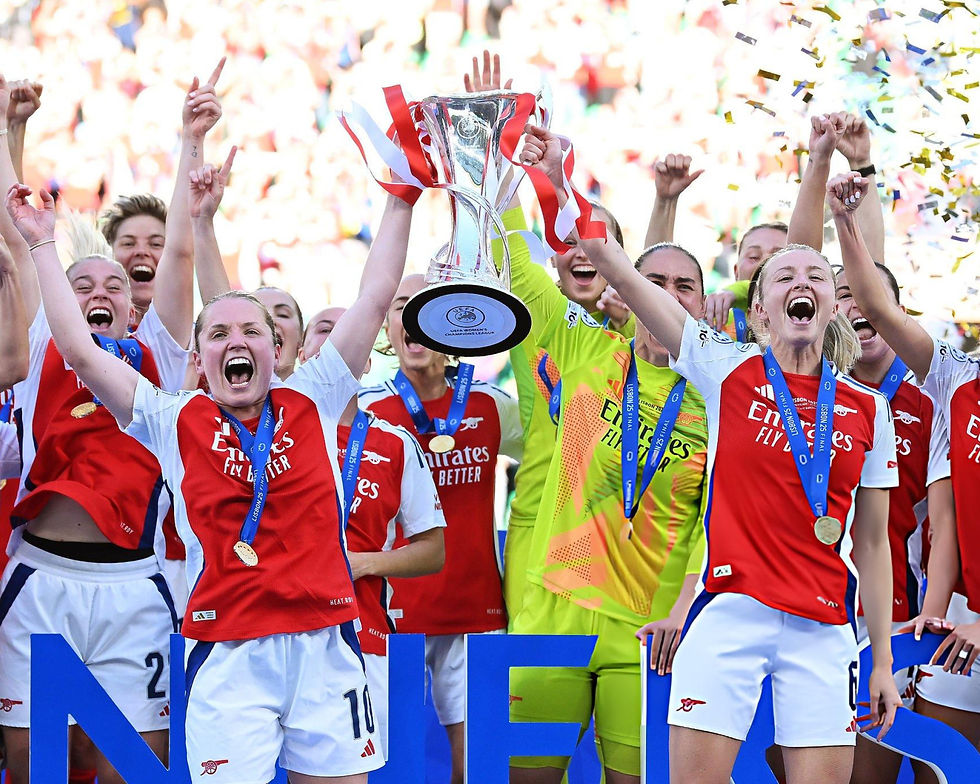
Ultimately, the WSL offers a rare blend of money, talent, competitiveness, infrastructure, and global visibility that few leagues can currently match.
While the WSL is the destination, leagues like Sweden’s Damallsvenskan and Norway’s Toppserien have become crucial stepping stones.
Damallsvenskan, in particular, holds a unique place in women’s football history. It was the first fully professional women’s league in the world, becoming professional in 1988 — nearly 30 years before the WSL.
Its early commitment to equality and stability made it a hotspot for developing players long before other leagues caught up.
Over the years, global superstars such as Marta, Christen Press, Jennifer Hermoso, and Kyra Cooney-Cross all used the Scandinavian leagues as a key stage in their development.

The league gained a reputation as a place where players could grow without the intense pressure found in bigger leagues.
Because it is often viewed as a “smaller league,” young players are given time, responsibility, and trust. Expectations are lower, allowing talent to flourish organically rather than being overwhelmed by media attention and constant scrutiny.
A perfect example is Julie Blakstad. After struggling to establish herself as a regular starter at Manchester City, she moved to Hammarby.

Away from the intense pressure of the WSL, she revitalised her career, making 75 appearances and scoring 36 goals - rediscovering the form that once made her so highly rated and earning her move back to the WSL.
Clubs like BK Häcken and Hammarby IF have become regular targets for WSL recruitment in the past two windows in particular.
Both enjoyed success last season - BK Häcken winning the league and Hammarby lifting the Svenska Cup - which only increased interest from scouts.

Swedish clubs consistently develop the league’s best stars and young prospects, making them ideal scouting hubs.
They expect interest in their players and protect themselves financially by tying key talents to long-term contracts.
Braan’s Gaupset, an emerging star during Euro 2025, was secured on a contract extension in March before the tournament.

This proved to be a smart move, ensuring her club was well compensated once major clubs inevitably came calling.
Rather than resisting player sales, Scandinavian clubs embrace their status as developers. They focus on nurturing talent, allowing players to reach their potential, and then facilitating moves to ‘bigger’ leagues when the time is right.
Together, they form a clear partnership: develop in Scandinavia, shine in the WSL. As long as this balance remains, the pipeline of Nordic talent flowing into England looks set to continue, which can only benefit their international sides.


Comments