-3.png)
How Generative AI is Threatening Football and Athlete Safety

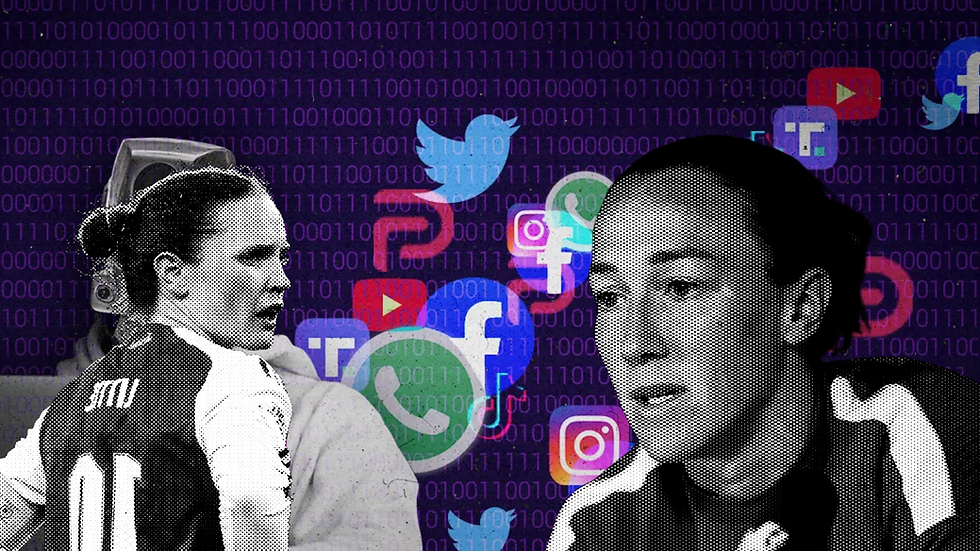
You can't go five minutes without being force-fed AI these days. Whether it's your Mum sending a Facebook video of a cycling dog, a generative TikTok ad pushing weight-loss injectables, or increasingly, the creeping takeover of professional football there's absolutely no hiding from it.
Each time I open up my instagram feed I see elite clubs rolling out player signings via low-effort generative video reels, analytical accounts producing an absurd amount of truly bizarre chat-GPT graphics and official club merchandising departments using models (that aren’t even real people) to sell new kits.
And by now, you’ve almost certainly heard of deepfakes. They work like any other generative AI tool, relying on being fed a massive data pile of a real person's photos, videos or voice clips, to then spit out fake generated media that seems alarmingly real. As this technology bleeds deeper into the sporting world, it is leaving virtually no high-profile athlete, male or female, untouched.
At the commercial level, players are increasingly treated as walking cash cows by digital fraudsters. Elite athletes find their likenesses hijacked for unauthorised endorsements and fake ads peddling products they’ve never touched, all exploiting a total lack of legal protection over a person's own face and voice. But beyond the financial scams hitting players, the abuse directed at female footballers and athletes manifests as a uniquely gendered crisis, overwhelmingly weaponised for sexual objectification and non-consensual imagery.
Recognising the severity of this digital exploitation, players are pushing back. The legal firm Mills & Reeve have spearheaded the 'My Name, My Face' initiative, supported by the global players' union FIFPRO and the Professional Footballers’ Association (PFA). Backed by ballers including Lucy Bronze, Kim Little, Cole Palmer, Kyle Walker and Kieran Trippier, the movement is lobbying Westminster for dedicated personality rights legislation to close the legal loopholes currently protecting AI abusers.
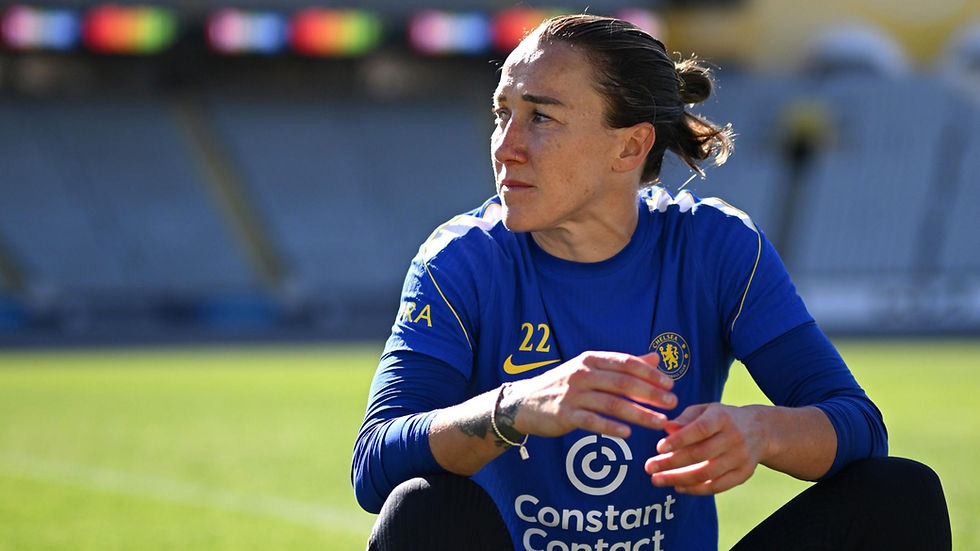
Bronze stated that “No one should have to worry that their face, likeness or reputation can be manipulated without their consent. We need greater awareness, stronger protections, and real accountability to make sure people, especially women and girls, are protected from this kind of abuse.”
But footballers aren’t the sole targets, the proliferation of AI deepfakes expose a deeply ingrained structural hostility across women’s sport with malicious synthetic media frequently timed to coincide with career triumphs. Harassment and Non-Consensual Intimate Images (NCII) are proving to be calculated backlash, a systemic mechanism designed to undermine, sexualise and overshadow moments of female success, effectively punishing women for their achievement.
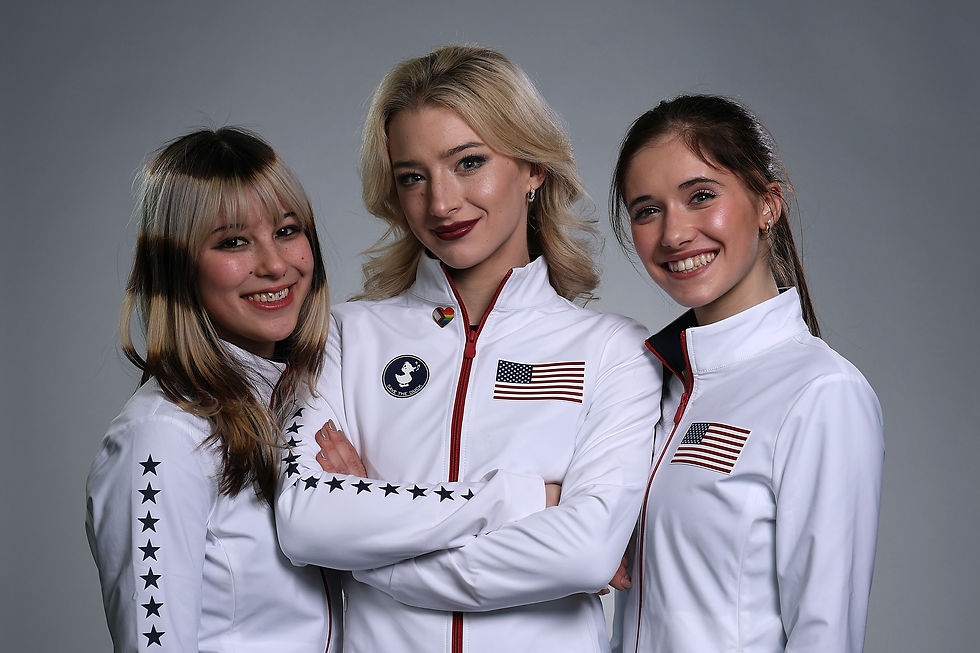
During the 2026 Milano Cortina Winter Olympic Games, this reality played out in real time. On 4chan, an anonymous, virtually unmoderated breeding ground for far-right extremism, users churned out "nudified" deepfakes and NCIIs targeting elite female US athletes. Figure skaters such as Alysa Liu, Amber Glenn and Isabeau Levito, alongside skiers Mikaela Shiffrin and Eileen Gu, found their Olympic achievements instantly overshadowed by targeted digital abuse.
In 2025, eight million deepfakes were shared, compared with just 500,000 in 2023. And with the statistics compiled by UN Women underscore just how deeply gendered this digital epidemic is. Deepfake pornography accounts for 98% of all deepfake videos online, with an overwhelming 99% of those targeted being women. Without immediate legislative intervention, this wave of digital exploitation shows no sign of slowing. Left unchecked, deepfakes will continue to weaponise bodily autonomy against women.
Yet, even speaking out against this abuse is a cruel paradox. Bringing mainstream attention to online exploitation carries a dark, unintended consequence, for the digital underground, visibility is oxygen. Simply naming the problem risks acting as a perverse advertisement, tipping off the curious and the malicious alike and driving fresh traffic toward material that these channels and platforms ultimately profit from. That athletes like Lucy Bronze and Kim Little are willing to risk drawing that exact spotlight, refusing to let silence protect a system that monetises women's violation, makes their fight for accountability all the more courageous.

Generative AI is slowly swallowing every corner of human connection, from the tube ads on the way to work to synthetic kit designs online. But football, to me, has always been an escape from that relentless digital intervention. Let's keep the AI slop out of the game, protect basic human safety and actually enjoy the real, unscripted human connection that makes sport worth watching in the first place.
If you want to support the movement and add your voice to the call for UK personality rights legislation, you can become a supporter of the My Name, My Face campaign here.


Comments